

The short answer
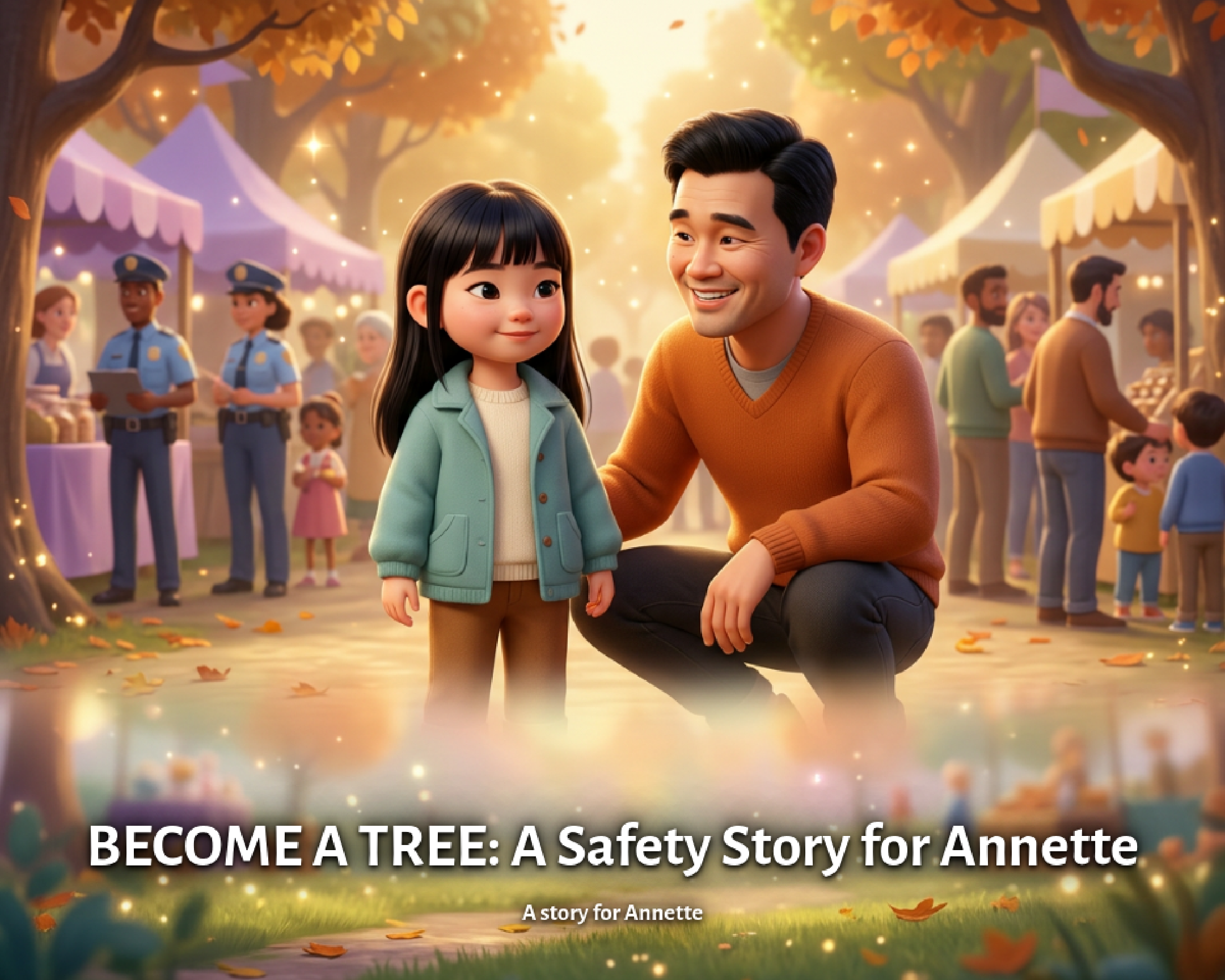
Teach behaviors, not faces. Safe adults do not ask children for help, and they never ask a child to keep a secret from their parents. Pair that with the check-first rule, a loud and specific yell, and explicit permission to be rude, because the children who got away were the ones who acted.
"Stranger danger" protects against the wrong person
The phrase fails twice over. First, almost all strangers are harmless, and a child taught to fear all of them still cannot tell which one matters. Children picture someone scary-looking, while anyone actually intending harm will be friendly, charming and offering something good. Second, the great majority of harm to children comes from someone they already know, which is precisely the person stranger danger tells them to trust.
The replacement framing, often taught as "tricky people," moves the test from who someone is to what they are doing. That is a test a four-year-old can apply, and crucially it still works on a familiar face.
The red flags, in words a child can hold
Three behaviors cover most of it. A safe adult who needs help asks another adult, so an adult asking your child for help finding a puppy, carrying something or giving directions is itself the signal. A safe adult never asks a child to keep a secret from their parents. And a safe adult does not try to get a child alone or talk past their no.
Then add NCMEC's check-first rule, which handles the situation far more common than a snatch: anytime anyone tries to get your child to go somewhere, accept a gift, or help with something, the answer is that they have to check first. Practice the sentence out loud, "I can't go with you until I check with my mom," and then walking away. No explanation owed to anybody.
Give them permission to be loud and rude
Politeness is the thing most likely to be used against a well-raised child. NCMEC found that 83% of children who escaped an attempted abduction did something active: they yelled, kicked, pulled away or ran. Passive and polite did not work.
So rehearse the active version, and make the yell specific, because "help" reads as a tantrum to passers-by while "THIS IS NOT MY PARENT" or "THIS PERSON IS TRYING TO TAKE ME" turns heads. Legs and voice, then tell a trusted adult, and keep telling until somebody does something. Say the last part out loud to your child in advance: you will never be in trouble for telling me, no matter who it was.
Four lines worth rehearsing
- "I can't go with you until I check with my mom." Then walk away.
- "Safe grown-ups don't ask kids for help. So what do you do if one does?"
- "Show me your yell: THIS IS NOT MY PARENT."
- "Do we keep body secrets?" Never, from anyone, ever.
The advice to drop
"Don't talk to strangers."
It is unusable in practice. Your child cannot sort a harmless stranger from a dangerous one by looking, and the rule leaves the familiar adult, who is the likelier risk, entirely outside it.
Where this guidance comes from
- National Center for Missing & Exploited Children — KidSmartz and the Child Safety Toolkit
- Cleveland Clinic — Teaching Your Child About Safe Strangers and Tricky People
- Darkness to Light — Child sexual abuse prevention education for adults
- TODAY Parents — The tricky people concept helps kids identify unsafe adults
Last reviewed October 2026 by the Enchantably team against the sources above. This is general guidance for parents, not medical, legal, or emergency advice. In an emergency, call your local emergency number.